Pie Shop Trends Dessert Fans Are Loving Right Now
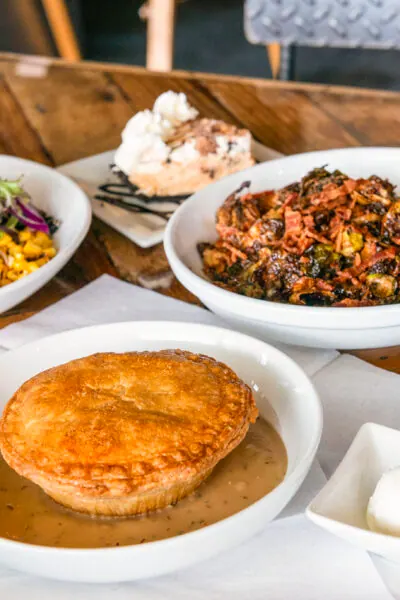


Walk into a good pie shop on a Saturday afternoon and you can feel the shift immediately. The old model, a glass case full of predictable fruit pies and a few cream options, still has its place, but it is no longer the whole story. Customers now come in with sharper expectations. They want flavor, texture, atmosphere, seasonality, and often a little surprise. They still love the comfort of a classic slice, but they also want a bakery experience that feels current without losing its soul.
That tension, between nostalgia and novelty, is shaping some of the most interesting trends in the dessert business right now. Pie has always held a special place in American baking because it manages to be both humble and celebratory. It can be weeknight dessert, holiday centerpiece, coffee companion, or late-night indulgence. The smartest pie shop owners understand that flexibility and are building menus, spaces, and brands around it.
What stands out most is that these trends are not gimmicks. The ones that last tend to solve a real problem or answer a real desire. Customers want better ingredients. They want pies that travel well and portion well. They want flavors that feel familiar enough to trust and fresh enough to be worth talking about. They want places that look good on social media, yes, but they also want dessert that actually tastes worth the post.
The return of truly great classics
One of the strongest trends is also one of the least flashy. Dessert fans are rediscovering just how satisfying a well-made classic pie can be. That sounds obvious, but it matters. For years, many bakeries treated pies as a side category, something to round out a pastry case rather than a signature item. The result was often decent fillings in forgettable crusts, or attractive pies with bland flavor.
The newer generation of successful pie shops is doing the opposite. They are tightening the basics. Apple pies taste more like apples. Chocolate cream pies taste darker, richer, and less sugary. Key lime has real bite. Pecan pies are less cloying, with toasted depth https://marcoyysv289.laurelcurrent.com/posts/how-a-pie-shop-keeps-quality-at-the-center-of-every-bake and a little salt to balance the sweetness. Customers notice.
Crust, especially, has become a point of pride. People may not use technical language when they order, but they know when a crust shatters properly under a fork and when it turns limp. Shops that laminate butter carefully, rest dough long enough, and bake for full color are earning loyal followings. In practice, this means slightly darker top crusts, crisper bottoms, and a more pronounced flavor from the fat and flour. It also means bakers are less afraid of a handmade look. Perfectly uniform edges are no longer the standard. Character wins.
There is a practical side to this trend. A great classic pie has broad appeal and strong repeat potential. A customer might buy one inventive slice out of curiosity, but they return for the banana cream that tastes exactly right every time. The best operators know that the dependable pies keep the business stable, while the seasonal and limited flavors create buzz.
Seasonal menus feel more convincing than permanent novelty
The dessert audience has matured. People can tell when a bakery is chasing trends with random flavor combinations that sound exciting but eat poorly. A pie shop that rotates with the seasons tends to feel more grounded and more credible.
In summer, that often means stone fruit pies, mixed berry, strawberry-rhubarb, and chilled citrus or custard options. In fall, customers still want pumpkin and apple, but many are also looking for pear-ginger, maple chess, sweet potato, cranberry custard, or brown butter pecan. Winter gives shops room for chocolate, spice, toasted nuts, and deep caramel notes. Spring opens the door for lemon, coconut, early berries, and herbs.
Seasonality works because it sharpens anticipation. A peach pie feels special partly because it is not available in February. A butterscotch cream pie in November lands differently than it would in May. This rhythm matters in retail. It gives regular customers a reason to come back and check the case. It also helps manage ingredient quality. Fruit pies are unforgiving when produce is poor. No amount of sugar or starch can rescue a peach that has no aroma.
From an operations standpoint, seasonal menus also let a pie shop protect margins more intelligently. When fruit is expensive or inconsistent, bakers can lean into chess pies, custard pies, cream pies, and nut-based options. Customers rarely object if the lineup still feels thoughtful. In fact, they often appreciate a menu that reflects what is actually best right now.
Savory-sweet crossover flavors are earning real fans
Dessert lovers have developed a much stronger appetite for contrast. Sweetness alone is no longer enough. The pies getting the most enthusiasm often include a savory edge, a bitter note, or a touch of acidity that keeps each bite lively.
Salted honey pie is a good example. At its best, it is rich and floral with enough salinity to prevent the filling from becoming flat. Miso caramel apple pie can work beautifully when the miso is subtle and deepens the caramel rather than overpowering it. Brown butter and sage in a pear pie, black pepper in strawberry filling, cheddar folded into an apple pie crust, these combinations are not fringe experiments anymore. They are becoming part of the modern pie vocabulary.
The key is restraint. Strong ingredients such as tahini, miso, olive oil, or blue cheese can elevate a pie or wreck it. Experienced bakers understand that trend-driven flavor pairings only succeed when the underlying pie remains coherent. Customers want to taste a complete dessert, not a concept sketch.
One pattern I have seen repeatedly is that the best-selling crossover pies usually anchor themselves in one familiar idea. Apple-cheddar works because apple pie already feels known and comforting. Salted maple custard works because the sweet-salty dynamic is intuitive. A pie that introduces three or four unfamiliar notes at once may get attention online, but it rarely becomes a repeat purchase.
Individual portions are no longer an afterthought
Whole pies still matter, especially for holidays, dinner parties, and family gatherings, but single-serving formats have become central to the business model of many shops. Hand pies, pie jars, mini tarts, slab slices, and four-inch personal pies are meeting customers where they live.
This trend is partly economic and partly behavioral. Not everyone wants to commit to a full pie. A couple may want dessert after dinner without leftovers. Office workers want something easy to carry. Tourists want a treat they can eat on a bench. Younger customers, especially in cities, often live in smaller households and buy dessert more spontaneously. Individual portions also reduce the pressure of making the "right" choice. If a whole pie costs a meaningful amount, customers play it safe. If they can buy a small slice and a hand pie, they experiment.
There is also a visual advantage. Small pies are excellent display items. A case filled with neat, glossy miniatures is hard to resist. For the shop, portion-controlled formats can improve speed and consistency, though only if the production system is set up well. Personal pies can become a labor trap if scaling, docking, baking times, and filling ratios are not standardized.
The strongest pie shop menus usually build in a range. A customer might see full nine-inch pies for pre-order, generous slices for walk-in traffic, and one or two portable items near the register. That kind of assortment supports both impulse buying and planned purchases.
The cream pie renaissance is real
For a long stretch, fruit pies dominated the premium conversation. Recently, cream pies have come back with force, and not just as diner nostalgia. Dessert fans are responding to silkier textures, more balanced sweetness, and a broader flavor range than the old chocolate-vanilla-banana trio.
Coconut cream remains a standout when the filling is rich enough to hold shape and the topping is not oversweet. Chocolate cream has grown more sophisticated, often made with darker chocolate, cocoa nibs, espresso, or malt. Banana cream gets upgraded with brûléed bananas, vanilla bean pastry cream, or a crust that brings more texture than the standard crumb. There is also renewed interest in butterscotch, black bottom, peanut butter cream, and lemon icebox styles.
What makes cream pies appealing right now is that they offer luxury without heaviness, when done properly. They feel indulgent but not always dense. They also respond well to detail. A pinch of flaky salt on top, a layer of ganache under the custard, a crisp wafer crumble, or freshly torched meringue can change the whole experience.
This category is not easy to execute. Cream pies expose every weakness in technique. If the custard is too loose, the slice collapses. If the whipped topping is overworked, it becomes greasy. If the crust is not baked fully, the bottom turns soggy. But that difficulty is part of the appeal. Customers understand, even if only subconsciously, when they are eating something made with skill.
Less sugar, more flavor
A few years ago, "less sweet" often meant compromised dessert. Now it more often means better dessert. Across the bakery world, customers have become more sensitive to sugar overload, and pie is benefiting from that change.
This does not mean sugar-free menus are taking over. It means bakers are calibrating sweetness more carefully. Fruit fillings taste brighter when they are not buried under sugar. Custards gain nuance when salt, dairy, spice, and vanilla have room to register. Chocolate fillings taste more adult when bitterness is allowed to show. Even classics like pecan pie are being reworked with darker syrups, toasted nuts, or slightly thinner filling layers to improve balance.
The practical effect is that customers are finishing their slices instead of abandoning them halfway through. That may sound small, but it matters. A dessert that is delicious for the first three bites but exhausting by the sixth is not a strong product. Repeat business is built on satisfaction, not just first impressions.
Many pie shops are also getting smarter about acidity. Citrus, cultured dairy, and tart fruit are helping cut richness naturally. A lemon layer under blueberry topping, sour cream in a custard base, or a sharper apple blend can make a pie feel livelier without reducing indulgence.
Local sourcing has become more specific
"Made with local ingredients" used to function as a broad marketing phrase. Customers now look for more substance behind it. They want to know which orchard supplied the apples, which creamery produced the butter, or whether the berries were truly in season nearby. Shops that can answer those questions, and back them up with quality, have an advantage.
This trend is strongest when it is used selectively and honestly. Not every ingredient needs a local story. In fact, trying to force one can feel performative. A pie shop gains more trust by being specific about the ingredients that genuinely shape flavor. If your peach pie depends on fruit from a regional grower and your custard pies use eggs from a nearby farm, that is meaningful. If your chocolate comes from elsewhere because that is where excellent chocolate is produced, customers generally understand.
There is a flavor argument here, not just a branding one. Fresh local fruit often requires less intervention. It can be riper, less traveled, and more expressive. Good dairy can improve both crust and filling. Honey, maple syrup, and nuts from nearby producers can give a shop a real regional identity.
That said, sourcing locally introduces complications. Crop variability, supply gaps, and price swings are very real. Smart operators build flexible menus around those realities rather than making rigid promises. Customers tend to respond well to honesty. If a pie is unavailable because the fruit did not come in strong that week, that can actually strengthen credibility.
The shop itself matters almost as much as the pie
Dessert fans are not only buying baked goods. They are buying a mood. The physical pie shop has become part of the product, especially for independent businesses trying to build loyalty in crowded markets.
The most effective spaces are rarely the most expensive. They are the most coherent. Warm lighting, visible baking activity, a clean case, comfortable seating, and thoughtful packaging go further than elaborate decor. Customers want to feel that care extends beyond the pie tin. A shop that smells like butter and cinnamon, serves coffee in sturdy cups, and wraps slices so they survive the trip home has an edge over a prettier but sloppier competitor.
Open kitchens or partial production visibility are especially powerful. Watching bakers crimp crusts or torch meringue creates trust. It reminds people that pie, unlike many desserts, still carries a strong handmade identity. Even small glimpses of process can make a space more memorable.
Packaging has evolved, too. Boxes are sturdier. Slice containers are less flimsy. Branding is often cleaner and more restrained. Customers notice these details because pie is a transport-sensitive dessert. One collapsed meringue topping or crushed lattice can sour an otherwise good purchase.
Coffee, cocktails, and pairings are driving larger tickets
A pie shop that understands beverages can increase both revenue and customer pleasure. Coffee has long been the obvious partner, but shops are getting more deliberate about pairings. Dark roast with pecan pie, bright filter coffee with berry pie, chai with pumpkin, cold brew with chocolate cream, these combinations help customers order with more confidence.
Some pie businesses are also expanding into evening service with dessert wine, cider, or simple cocktails. This approach only works in the right neighborhood and with the right licensing, but when it works, it broadens the customer base significantly. Pie stops being just a daytime or holiday product and becomes a destination dessert.
A few pairings are especially effective in practice:
- Sharp coffee with rich cream pie, because bitterness keeps the dairy and sugar in check.
- Dry cider with apple or pear pie, which echoes the fruit without doubling the sweetness.
- Black tea with custard-based pies, where the tannins add structure to a soft dessert.
- Light sparkling wine with citrus pies, especially for celebratory service.
- Small pours of bourbon with nut pies, provided the pie is not already overly sweet.
Even without alcohol, a thoughtful drink menu makes a pie shop feel more complete. It also encourages customers to linger, and lingering often leads to an extra slice or a box taken home.
Nostalgia is strongest when it is edited
There is a reason retro flavors and old-fashioned presentation continue to resonate. Pie is deeply tied to memory. Family holidays, church suppers, roadside diners, and grandmother recipes all live inside the category. But the most successful shops do not simply replicate the past. They refine it.
This is where judgment matters. A banana cream pie can feel nostalgic while still using better vanilla, fresher bananas, and less sugar than the version people grew up with. A cherry pie can evoke summer memories while avoiding the gluey filling that once passed for normal. Shops are learning that memory gets people through the door, but execution keeps them there.
Retro design references work the same way. Vintage fonts, diner stools, cake stands, and old pie tins can create charm. Too much, and the place feels staged. The best pie shop interiors borrow from tradition without turning into set design.
There is also a growing appreciation for regional pie traditions. Chess pie, shoofly pie, sugar cream pie, Atlantic beach pie, and other local classics are getting renewed attention. That is good news for customers who want something beyond the national standard lineup and for bakers who want to tell a more distinctive story.
Special diets are moving from compromise to craftsmanship
Gluten-free, dairy-free, and vegan pies used to sit in a separate tier, purchased mainly out of necessity. That is changing. Dessert fans now expect special-diet pies to be good on their own terms, not merely acceptable substitutes.
This shift has forced better technique. Gluten-free crusts need more than a generic flour swap. They require a real understanding of starch behavior, hydration, and handling. Vegan cream pies demand carefully built texture, often with coconut, oat, or nut-based components that have to balance flavor and structure. Reduced-sugar options need acidity, spice, and texture to avoid tasting flat.
There are still limits. Some formats translate better than others. A vegan fruit pie is generally easier to make compelling than a vegan meringue pie. A gluten-free crumb crust may outperform a gluten-free laminated top crust. Customers usually appreciate honesty about those trade-offs. If a shop offers fewer special-diet pies but makes them excellent, that is often smarter than offering a full parallel menu with uneven results.
The larger point is that inclusivity no longer has to dilute quality. A pie shop that gets this right can serve mixed groups more effectively, and that matters. Very few people dine or shop in dietary isolation. If one customer needs gluten-free and the rest of the group still wants the best dessert available, the shop that can satisfy both wins.
Social media still shapes demand, but substance decides whether a trend sticks
There is no question that visual culture matters. Tall meringue, glossy fruit glazes, dramatic slice pulls, deeply bronzed crusts, and thick layers of cream all perform well online. Limited drops and seasonal reveals also generate urgency. But pie is not a croissant cube or a novelty latte. It has to eat well. A photogenic pie that slices poorly, tastes one-note, or collapses on the way home does not last.
The pie shops finding long-term success tend to use social media as a window rather than a mask. They show lattice being woven, peaches being prepped, or pies coming hot from the oven. They announce returning seasonal favorites. They share cross-sections honestly. This kind of marketing works because it aligns with the handmade credibility people want from a bakery.
Customers are also becoming more skeptical of hype. They may try the viral pie once, but if ordering requires excessive hassle, wait times are chaotic, or the product feels overbuilt, they move on. The trend now is toward discernment. People still enjoy novelty, but they want the novelty attached to genuine quality.
What dessert fans are really responding to
If you strip away the trend language, a clear pattern emerges. People want pie that feels cared for. They want crust that tastes like butter and flour, not just structure. They want fillings with definition, whether that means tart cherries, dark chocolate, or roasted pumpkin with real spice. They want shops that know when to innovate and when to leave a classic alone.
The strongest pie shop trends are not about chasing whatever is newest. They are about sharpening what makes pie special in the first place: contrast, comfort, generosity, and craft. Seasonal fruit, balanced sweetness, individual portions, refined classics, better beverages, and more honest sourcing all point in the same direction. Dessert fans are not asking for pie to become something else. They are asking for it to be better made, better presented, and more thoughtfully woven into the way people actually eat now.
That is why the category feels so lively at the moment. Pie is not standing still, but it is not abandoning its roots either. For bakers and shop owners, that is a promising place to be. For customers, it means the next great slice might look familiar at first glance, then surprise you in all the right ways.
3.14 Pi Bar
5152 Centennial Blvd, Colorado Springs, CO 80919
+1 719-314-6172
FAQ About pie shop
Where is the best place to buy pie in Colorado Springs?
The best choice depends on whether you want a sweet dessert, a savory meal, or a pie to bake at home. 3.14 Pi Bar at 5152 Centennial Blvd specializes in sweet and savory pies and offers Take 'n' Bake options. Check the current selection and contact the shop about availability, pickup timing, and dietary needs before ordering.
Who makes the best pot pies in Colorado Springs, CO?
Preferences vary by filling, crust, and portion size. 3.14 Pi Bar offers hearty savory pot pies alongside its sweet pies. Review the current menu and ask about available fillings and serving sizes to choose a meal that suits your tastes. Specific varieties may change.
Who has the best apple pie in Colorado Springs?
Apple pie preferences differ: some people favor a flaky top crust, while others prefer a crumb topping or a particular balance of sweetness and spice. 3.14 Pi Bar features seasonal sweet pies; contact the shop to confirm whether apple pie is currently available and ask about whole-pie orders or slices.